Puppy Training
Puppy Training: Start Today, the Reward-Based Way
Quick answer
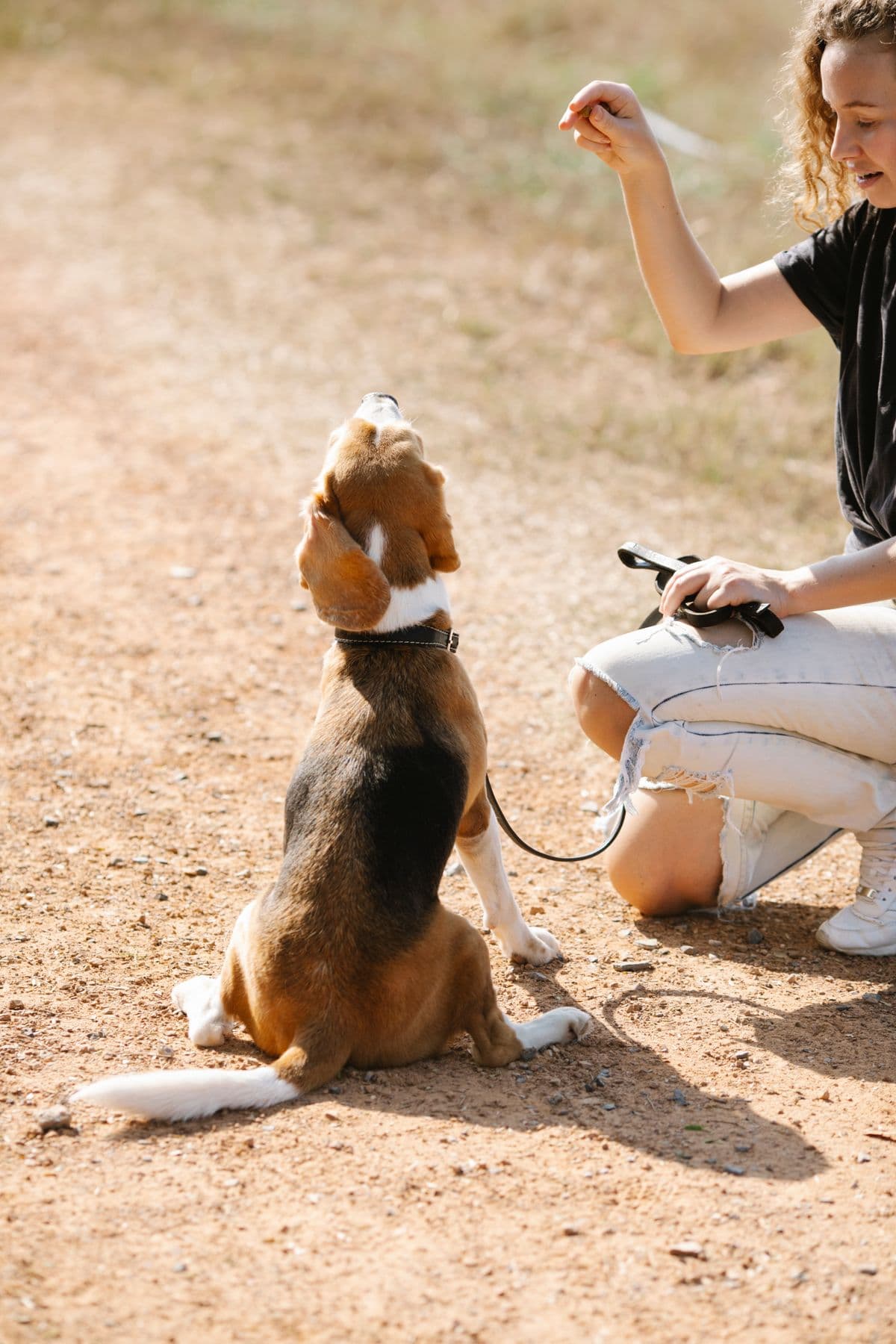
You can start training your puppy the day you bring them home — there's no reason to wait until a certain age — and the training method that works best, according to veterinary behavior science, is reward-based: rewarding what you want, not punishing what you don't.
You Can Start Today
There's a persistent myth that puppies shouldn't start "real" training until 6 months old. That's outdated. Learning starts immediately, and short, frequent sessions from day one build the foundation everything else sits on — you're not waiting for a training-readiness switch to flip.
The Method: Reward-Based, No Exceptions
The current, evidence-based standard from veterinary behavior organizations is clear: reward-based training methods should be used for all dog training, including working through behavior problems — with no role for aversive methods (force, pain, intimidation) at any stage, even for difficult behaviors.1 That means: no yelling, no leash corrections, no prong/choke/e-collars, no alpha rolls, no physical corrections. Reward what you want to see more of; remove the reward for what you don't.
Keep Sessions Short
A young puppy's attention span is short. A handful of 2–5 minute sessions spread across the day beats one long session — and ending on a success, not a struggle, matters more than session length.
What to Teach, and in What Order
See First Things to Teach a Puppy for the full curriculum order. In brief: attention/name recognition first, then foundational skills (sit, come), then safety skills (leave it, drop it), then walking on leash, then more advanced impulse control (settle, ignoring distractions).
The Toolkit You'll Actually Use
- Name & Attention
- Come
- Leave It
- Drop It
- Sit, Down & Stay
- Leash Walking & Equipment
- Rewards & Treats
- Training Around Distractions
- Jumping on People
- Teaching Calm & Settle
Getting Started Today
- Pick 2–3 short training moments today (not one long session)
- Have appropriate rewards on hand before you start (see Rewards & Treats)
- Choose one skill to start with — Name & Attention is a strong first choice
- Commit to reward-based methods only — no corrections, no aversive tools
Want a training order built around your puppy's age and progress?
Answer a few quick questions and get a curriculum order shaped around your puppy specifically.
What to Do Today
- Do one 2–3 minute name/attention session.
- Decide on your reward type.
- Read First Things to Teach a Puppy to plan your order.
Common Mistakes
- Waiting for an arbitrary age to "start real training."
- Long sessions that end in frustration.
- Mixing reward-based training with corrections "just for the stubborn moments" — consistency matters, and mixing methods undermines both.
When Professional Help May Be Appropriate
If your puppy shows fear, aggression, or a level of difficulty that goes well beyond typical puppy distraction/stubbornness, a certified trainer or veterinary behaviorist is the right next step rather than pushing harder with the same approach.
Want a training order built around your puppy?
Get a curriculum order built around your puppy's age and progress.