Puppy Schedule
Daily Puppy Schedule: Potty, Meals, Sleep, Play & Training
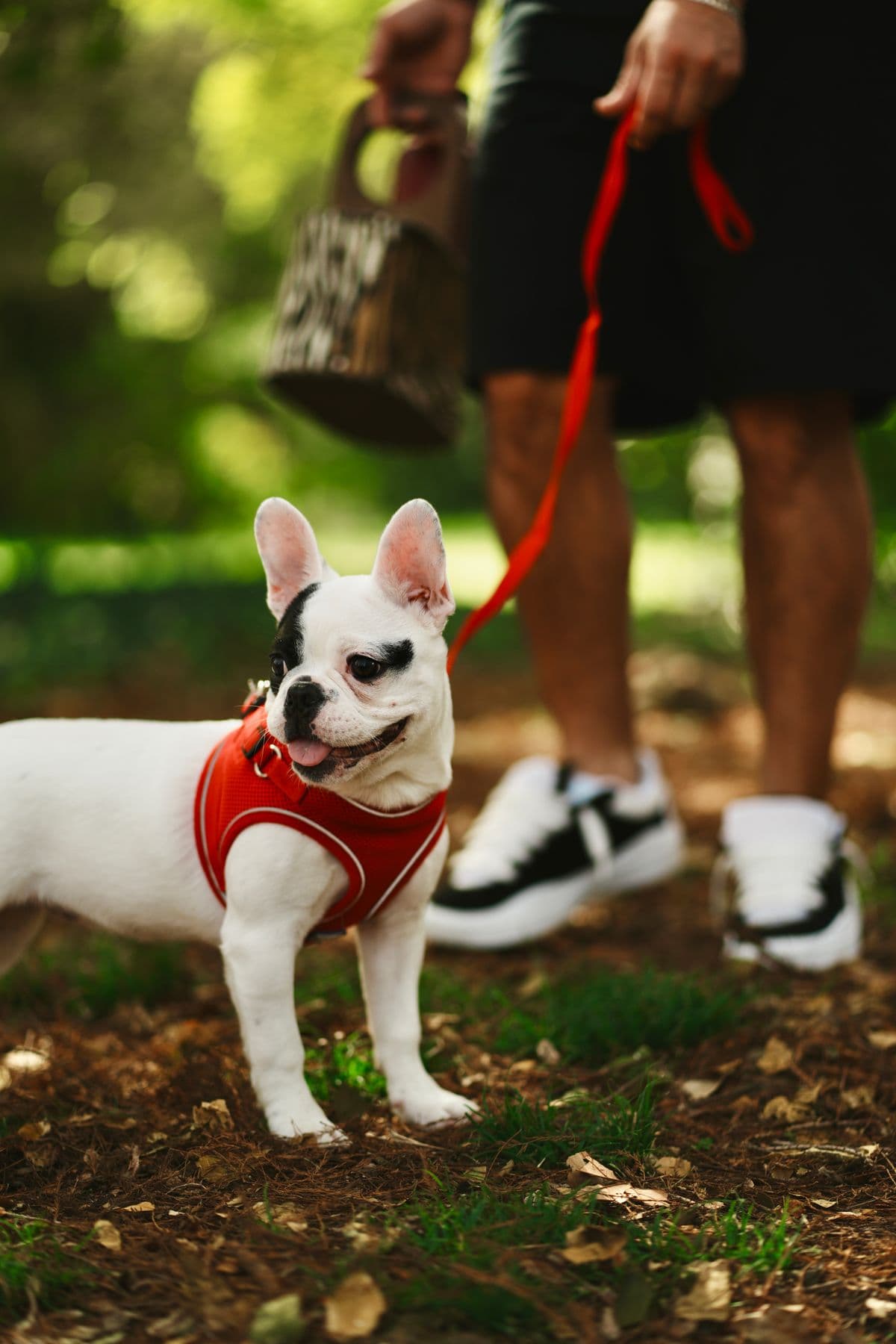
Puppies do best on a repeating loop, not a single fixed clock. The loop is: wake → potty → eat or play → short activity → nap → repeat. Below is a sample version of that loop, followed by how to build your own and how it shifts as your puppy grows.
Sample Daily Puppy Schedule
| Time | Activity |
|---|---|
| 6:30 AM | Wake up, straight outside to potty |
| 6:45 AM | Breakfast |
| 7:00 AM | Potty again |
| 7:15 AM | Play or short training (5–10 min) |
| 7:45 AM | Nap |
| 9:30 AM | Wake, potty, short play |
| 10:00 AM | Nap |
| 12:00 PM | Wake, potty, lunch (if on 3 meals), short training |
| 12:45 PM | Nap |
| 2:30 PM | Wake, potty, play |
| 3:15 PM | Nap |
| 5:00 PM | Wake, potty, dinner |
| 5:30 PM | Family time, gentle play |
| 7:00 PM | Potty, calm wind-down (chew toy, low activity) |
| 8:30 PM | Final potty break |
| 9:00 PM | Bedtime |
Treat the clock times as a shape, not a mandate — the pattern (wake, potty, activity, rest, repeat) is what matters, not hitting 6:30 AM exactly.
Want this built around your puppy's actual day?
A generic table can only get you so close. Answer a few quick questions and get a schedule shaped around your puppy's real wake time and age.
Why the Loop Matters
A very young puppy spends most of the day asleep, and awake/active time is genuinely limited — but exact hour totals vary enough between individual puppies and sources that we won't pin it to a single precise number here. What matters practically: if a puppy seems suddenly cranky or mouthy, checking whether it's simply overdue for a nap is worth doing before assuming something's wrong. This pattern is widely reported by trainers, though it isn't something we found established as settled fact by a veterinary or behaviorist primary source — treat it as a reasonable first thing to check, not a guaranteed explanation.
Potty timing is a separate question from general tiredness. VCA Animal Hospitals publishes example figures for bladder control right after a puppy has just eliminated: a 2-month-old might manage roughly 3 hours, a 3-month-old roughly 4, a 4-month-old roughly 5, before needing another break.2 This is a planning example, not a formula or a guarantee. It describes one specific moment (just after emptying the bladder) — waking up, eating, drinking, active play, or general excitement can all mean a much earlier trip outside is needed, sometimes within minutes. Use it to set a rough outer ceiling for planning your day, not as a countdown you can rely on.
Feeding Frequency
Four feedings a day is a common guideline for puppies in the roughly 6–12 week range, typically decreasing to three sometime between 3 and 6 months, per the American Kennel Club.4 Individual puppies, breed size, and your veterinarian's specific guidance for your dog can shift this — treat it as a starting point, not a rule.
How the Schedule Changes by Age
- 8–10 weeks: Very frequent everything — potty breaks, naps, tiny training bursts. Expect to be "on shift" most of the day.
- 10–12 weeks: Slightly longer stretches between potty breaks; short structured training sessions become worth adding.
- 12+ weeks: Fewer, longer naps; more consistent stretches awake; socialization outings (see below) become a bigger part of the day.
(Full breakdown: Puppy Schedule by Age.)
What Belongs in the Day Beyond Potty and Meals
- Short training bursts (5–10 minutes, several times a day) beat one long session — puppies this age have short attention spans.
- Socialization — safe, calm exposure to new people, sounds, surfaces, and (appropriately vaccinated, healthy) dogs is time-sensitive; the primary window is generally considered to be the first three months of life.3 (See the puppy socialization checklist.)
- Rest — genuinely enforced nap time, not just "quiet room" — is part of training, not a break from it.
- Wind-down before bed — lower the energy in the house 30–60 minutes before the final potty break, rather than going from full play straight to the crate.
Building Your Own Schedule
- Write down your actual wake time and the times you're realistically home.
- Block in potty breaks first — after waking, after eating, after play, and roughly every couple of hours in between for a very young puppy. (See the potty training system for the full method.)
- Fit meals around those breaks (see Feeding Frequency above).
- Add short training and play blocks after meals or naps, when your puppy is alert.
- Protect nap time — a puppy who's kept awake too long tends to get wound up and mouthy, not tired. (More on why evenings get bitey.)
A Note on the Static Schedule vs. a Personalized One
Every puppy's real day is shaped by your wake time, work schedule, and puppy's actual age — a single static table can only get you so close. That's exactly what the Puppy Plan is for: answer a few quick questions and get a routine skeleton built around your puppy specifically.
Get your puppy's plan
Answer a few quick questions and get a routine built around your actual puppy.