Socialization
Puppy Socialization Checklist: Safe, Positive Exposure — Not Just "Take Them Everywhere"
Quick answer
Socialization means safe, positive exposure to new people, animals, sounds, surfaces, and environments — during the primary window of roughly the first three months of life — done in a way that builds confidence, not overwhelm. "As much as possible" is not the goal; overwhelming or unpredictable exposure can build fear rather than confidence, and your veterinarian's guidance on vaccination status and local disease risk should shape which specific environments are appropriate right now.
Socialization Is Not the Same as Exposure
It's tempting to read "expose your puppy to as much as possible" as "take them everywhere, as often as possible." That's not what the evidence supports. Overwhelming or unpredictable situations — an overcrowded market, a chaotic dog park, an overstimulating playground — can increase fear and avoidance rather than build confidence, even when the owner's intentions are good.1 And a single exposure to something new usually isn't enough to have a calming effect — it typically takes repeated, positive exposure to the same type of situation for a puppy to genuinely habituate to it.1
The actual goal: calm, positive, repeated exposure at a pace your puppy can handle — not maximum volume of new experiences.
Why Timing Matters
The first three months of life are considered the primary window for this kind of exposure — after this window, puppies are generally less naturally receptive to new experiences, and incomplete or improper socialization during this period is associated with a higher risk of fear, avoidance, or aggression-related problems later on.2 This is why waiting until a puppy is fully vaccinated (often not until 16+ weeks) to start any socialization at all is generally considered too late to make full use of this window.2
Socializing Safely Before Full Vaccination
This is the real tension, and it's worth being direct about it: your puppy's immune system is still developing during this window, and vaccination isn't complete yet. The practical resolution most veterinary behaviorists support is safe, controlled exposure, not avoidance and not free-for-all exposure:
- Puppies can generally start structured puppy socialization classes as early as 7–8 weeks, provided they've had at least one set of vaccines (typically at least 7 days prior) and an initial deworming, and stay current through the class.2
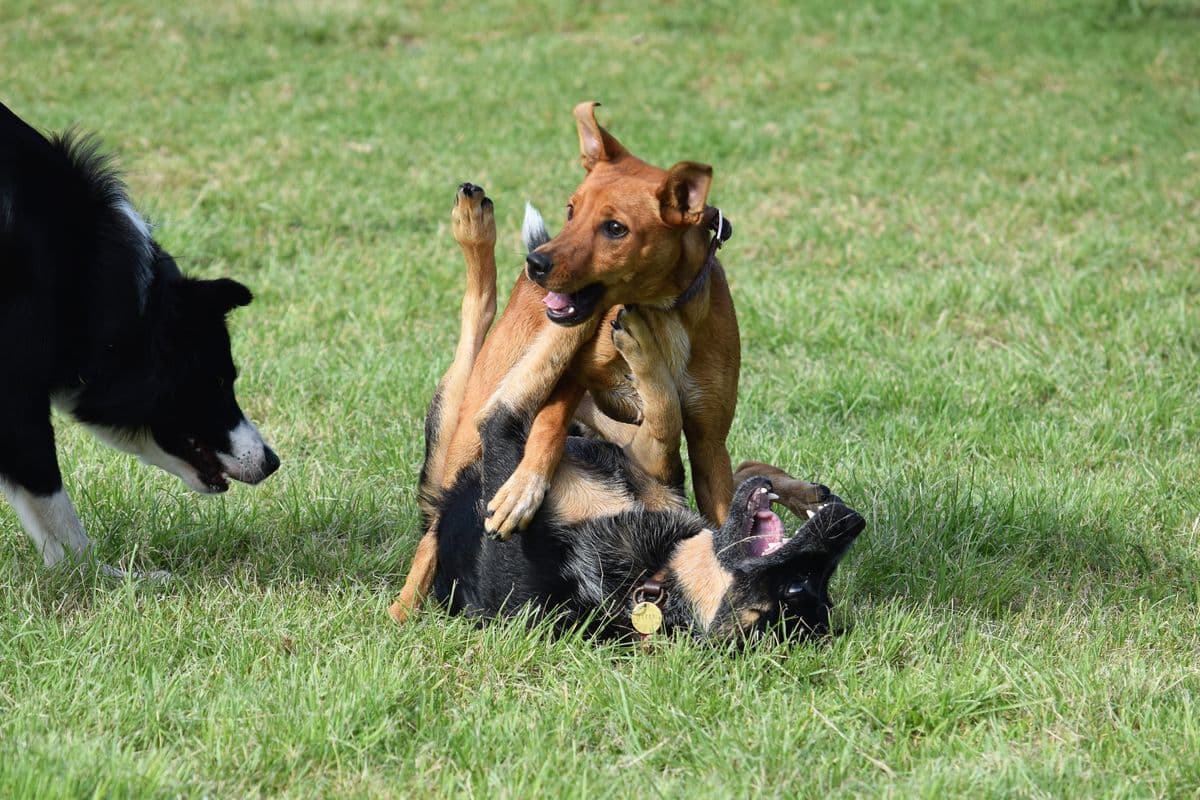
- High-traffic, unsanitized areas frequented by dogs of unknown vaccination status — dog parks especially — are generally best avoided during this window, in favor of more controlled settings.2
- Carrying your puppy (rather than letting them walk) in public settings, visiting healthy vaccinated friends' dogs, and structured puppy classes are lower-risk ways to get real exposure during this window.
This is general guidance, not a substitute for your veterinarian. Your specific puppy's health, local disease prevalence, and vaccination progress should guide exactly which environments are appropriate right now — confirm with your vet rather than treating this page as the final word.
The Checklist
Use this as a menu, not a to-do list to complete all at once. Spread it out, watch your puppy's comfort level, and repeat categories that go well rather than checking a box once and moving on.
People
- Adults of different appearances (hats, beards, glasses, uniforms)
- Children (calm, supervised interactions)
- People using mobility aids, if safely arranged
Sounds
- Vacuum cleaner (at a distance first)
- Doorbell/knocking
- Traffic sounds
- Thunder/storm sound recordings, played quietly at first
Surfaces
- Grass, gravel, pavement, sand
- Stairs
- Wobbly/unstable surfaces (a cushion, a low wobble board)
Handling
- Paws, ears, mouth touched gently and briefly
- Nail trim practice (even just touching the tool to a paw)
- Brief, calm restraint (as for a vet exam)
Other Animals
- Calm, healthy, vaccinated adult dogs (known, not random)
- Other species if relevant to your household (cats, etc.)
Environments
- Car rides (short, calm)
- Being carried through a public space
- A friend's house
For every category: one calm, positive exposure is a start — repeated calm exposure is what actually builds comfort. If your puppy shows fear (cowering, tail tucked, trying to escape) rather than curiosity, that's a sign to reduce intensity and try again more gradually, not a reason to push through.
Signs of Overstimulation
Watch for excessive fear, freezing, trying to escape, or shutting down (going still and unresponsive) rather than curious investigation. These are signs the exposure was too much, too fast, or too unpredictable — the fix is backing off and trying a gentler version, not continuing until the puppy "gets used to it."1
What to Do Today
- Pick one category from the checklist your puppy hasn't experienced yet.
- Keep the first exposure short, calm, and at a distance if it's something potentially intense (a new sound, an unfamiliar surface).
- Watch for curiosity vs. fear, and adjust intensity accordingly.
- Confirm with your vet where your puppy's vaccination status puts appropriate limits on venue choices right now.
Want a plan built around your puppy?
Answer a few quick questions and get a personalized starting point — including your puppy's biggest challenge right now.
When to Call Your Veterinarian
Confirm your puppy's vaccination timeline and appropriate socialization venues directly with your vet, given your specific location and your puppy's health. If your puppy shows persistent, extreme fear responses (not just mild hesitation) across multiple otherwise-normal situations, that's worth discussing with your vet or a credentialed trainer/behaviorist rather than continuing to push through on your own.
Sources
Related guides
- Before Full Vaccination
- Socializing With People
- Socializing With Children
- Socializing With Other Dogs
- Socializing to Sounds
- Getting Comfortable With Car Rides
- Getting Comfortable in New Places
- When Your Puppy Has a Bad Experience
- Puppy Fear Overview
- New Puppy Guide
- Puppy Schedule by Age
- New Puppy: First Week
- Puppy Handling & Grooming
- Puppy Body Language Overview