Potty Training
How to Potty Train a Puppy: Complete Step-by-Step Guide
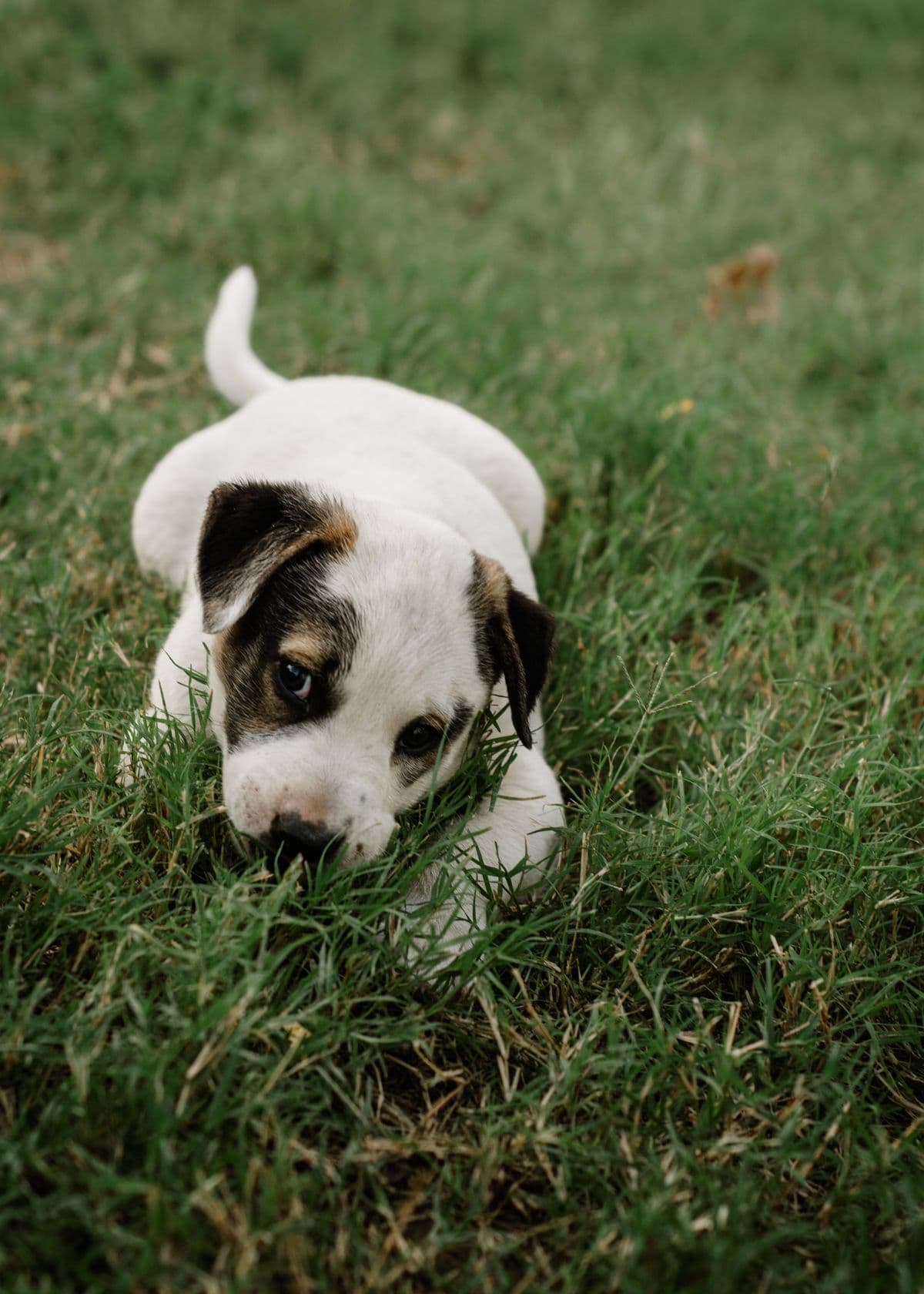
Potty training a puppy comes down to four things done consistently: a predictable routine, constant supervision or confinement when you can't supervise, quickly rewarding success outside, and managing accidents without punishment. Veterinary behavior organizations and credentialed trainers consistently point to this same combination — routine, supervision, immediate reinforcement, and avoiding punishment — as the foundation of successful house training.1,2 There's no shortcut around consistency, but there is a system that makes it faster.
The Puppy Potty Training System
- Set a routine. Take your puppy out first thing in the morning, after every meal, after every nap, after play, and roughly every 1–2 hours in between for a very young puppy. (See the Potty Training Schedule for age-specific timing.)
- Supervise or confine — one or the other, always. When you can't watch your puppy directly, use a crate, playpen, or leash-in-hand so accidents can't happen unnoticed. This is one of the most important pieces of the whole system — consistent supervision and confinement together are what most authoritative sources point to as the core of fast, effective house training.1,2
- Go to the same spot outside every time, and stay out long enough — often 5–10 minutes, without distraction — rather than coming back in the second your puppy finishes.
- Reward immediately after elimination, while still outside — not once you're back at the door. This timing detail matters: rewarding after you're back inside risks reinforcing coming back inside rather than the elimination itself.1
- Watch for the signals: circling, sniffing intently, sudden stillness, heading toward the door. Puppies who are supervised closely start giving these cues before an accident, not after.
- Handle accidents without punishment. Interrupt calmly if you catch it happening, take the puppy outside, and clean the indoor spot thoroughly. Punishing after the fact doesn't reduce accidents — it teaches a puppy to hide when eliminating, which makes house training harder, not easier.1
Get a day-by-day version of this system
You just read the method. Get a structured, dated version built around your puppy's age and routine.
Nighttime Potty Training
Many puppies gain the ability to get through the night without a potty break by around 3 months old, though this varies by individual puppy.3 Until then, expect at least one overnight trip outside, kept low-key: minimal lights, no play, straight back to bed afterward so your puppy doesn't learn that nighttime waking means playtime. (This fits into the broader Daily Puppy Schedule.)
How Long Potty Training Realistically Takes
There's no universal number — it depends on the puppy, consistency, and how much supervision is realistic in your household. What's true across the board: progress is rarely a straight line. A puppy who's been reliable for two weeks can still have a setback (see "Regression" below) — that's normal, not a sign the training failed.
Troubleshooting Table
| Problem | Likely Reason | What to Do Next |
|---|---|---|
| Pees indoors shortly after coming back in from outside | Cut the outside trip short, or was distracted and didn't fully empty | Stay outside longer (5–10 min), minimize distractions, wait for a second elimination before heading in — see Puppy Pees Inside After Going Outside |
| Won't go outside at all, then goes indoors | Surface preference, fear, or overstimulation outside | Try a calmer, more boring potty spot; rule out fear of the environment — see Puppy Won't Pee Outside |
| Sudden accidents after weeks of success | Regression is common; can also be schedule change, new environment, or a medical cause | Tighten supervision back up temporarily; if frequent, straining, or accompanied by other symptoms, check with a vet |
| Accidents specifically in the crate | Crate too large, confinement period too long for current bladder capacity, or anxiety | Check crate sizing, shorten confinement windows — see Crate Training Guide |
| Frequent urination, straining, or blood in urine | Possible medical issue (e.g., urinary tract infection) rather than a training problem | Stop treating as a training issue — schedule a veterinary visit |
When to Involve a Vet
Frequent accidents that don't respond to tightened supervision, straining to urinate, blood in urine, or a sudden change in a previously reliable puppy's habits are reasons to rule out a medical cause before assuming it's a training gap.
Still stuck on a specific problem?
Get a personalized plan built around your puppy's age and biggest challenge.