Potty Training
Why Does My Puppy Pee Inside After Going Outside?
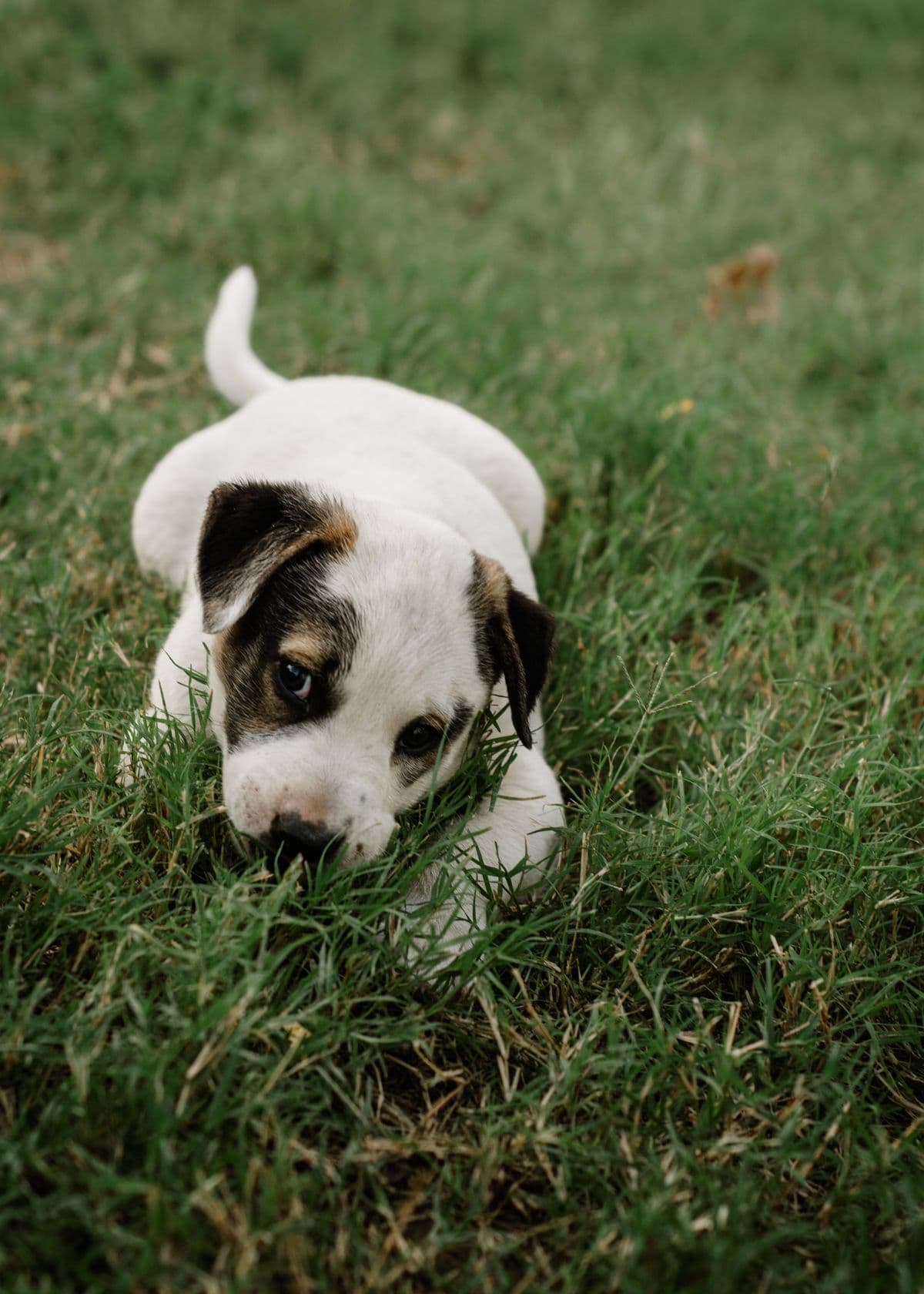
Most of the time, this means your puppy didn't actually finish emptying its bladder outside — not that the outdoor trip "didn't work." The three most common, well-documented reasons: the trip outside ended too soon, your puppy was too distracted outside to fully go, or your puppy was sent out alone and simply didn't eliminate until back in a familiar indoor space.
The Most Likely Reasons This Happens
- The outside trip was cut short. If you come back in right after the first urination, a puppy that wasn't fully empty will finish the job indoors a few minutes later.
- Distraction outside. New sights, smells, sounds, and general excitement can interrupt a young puppy mid-process. This is common enough that veterinary house-training guidance specifically warns against sending a puppy outside unsupervised, since puppies left alone outside often get distracted and don't go until they're back inside.1
- Excitement urination on return. Some puppies — especially very young or socially inexperienced ones — urinate involuntarily during excited greetings or arousal, including right after coming back inside. This isn't a house-training failure; it's an involuntary response that most puppies grow out of as they mature.2
- Incomplete house training. Your puppy may reliably go outside when taken out, but not yet understand it sometimes needs to "hold it" through a transition indoors. This is a normal, expected stage rather than a sign anything's gone wrong.3
What to Do Right Now
- Don't punish it — by the time you find it or see it, correction doesn't connect to the act, and punishment tends to make puppies hide when eliminating rather than eliminate less indoors.
- Interrupt calmly if you catch it happening (a gentle clap or "outside!" is enough), and get your puppy back out to finish.
- Clean thoroughly with an enzymatic cleaner — lingering odor invites repeat accidents in the same spot.
- Go back outside with your puppy next time rather than sending them out alone, if that's been the pattern.
A Short Fix for Next Time
- Stay outside longer — often 5–10 minutes, without distraction — even after the first urination. Many puppies need a second trip to fully empty.
- Go with your puppy, every time, especially while this is still developing. Supervised trips catch distraction before it becomes a pattern.
- Keep the return low-key. If excitement urination seems to be the pattern, a calmer re-entry (less exuberant greeting, a moment to settle before playtime resumes) can help.
Next Potty Trip Checklist
- Same spot as usual
- On leash, walking with your puppy the whole time (not sent out alone)
- Minimal distraction — no toys, no exciting chatter
- Wait at least 5 minutes after the first urination before heading in
- Reward immediately, outside, right after elimination
- Calm re-entry — no big excited greeting right at the door
Want a full week of this built out?
You just got a single-trip checklist. Get the multi-day version built around your puppy.
When It Might Be a Medical Issue
Frequent urination, straining, dribbling small amounts often, or blood in the urine point away from a training explanation and toward a possible medical cause. A veterinary evaluation for this kind of pattern typically starts with a history and physical exam,4 which is the right first step rather than trying to diagnose it yourself. If accidents are frequent despite consistent supervision and a tightened routine, or if your previously reliable puppy suddenly regresses, it's a reasonable time to check in with your vet.