Puppy Handling
Preparing Your Puppy for Vet Visits
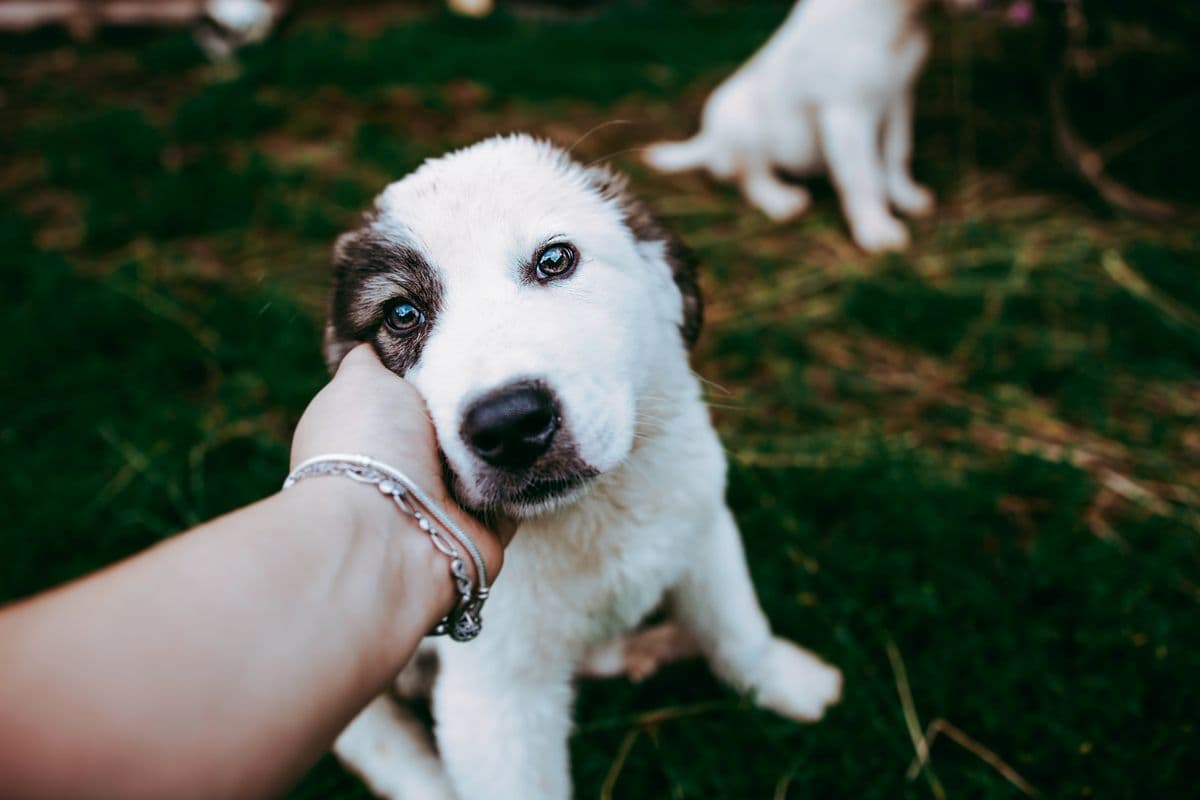
Quick answer
Low-key "happy visits" (treats, no procedure) before your puppy needs an exam, combined with general handling comfort, meaningfully reduce vet-visit stress — an increasingly standard approach under names like Fear Free and Low Stress Handling.
"Happy Visits" — A Real, Increasingly Standard Approach
A brief, positive clinic visit with no procedure builds a positive association before it's ever paired with something uncomfortable. Ask your vet's office if they offer this.
Building General Comfort at Home
Paw, ear, mouth handling and brief restraint all directly support easier vet exams.
Cooperative Care at the Vet
Some clinics now incorporate start-button behaviors directly (see Cooperative Care) rather than defaulting to full restraint for routine moments.
If Your Puppy Is Already Anxious at the Vet
- Ask about happy visits even after a past stressful experience.
- Bring high-value treats for low-stakes moments.
- Consider timing appointments for quieter periods.
- For significant anxiety, talk to your vet — pre-visit anti-anxiety medication is a legitimate tool for genuinely difficult cases, not a last resort to be embarrassed about.
Troubleshooting
| What you're seeing | Likely cause | What to do |
|---|---|---|
| General wiggliness, mild reluctance | Normal, common | Build home comfort; consider happy visits |
| Significant fear, trembling, escaping | Real anxiety | Ask about happy visits, cooperative care, pre-visit support |
| Growling/snapping at the vet | Fear-driven defensive response | Discuss with your vet — don't punish it |
Want a plan built around your puppy?
Get a handling plan built around your puppy's age and comfort level.
Common Mistakes
- First vet visit as first-ever unfamiliar handling.
- Punishing fear-based responses.
- Assuming nothing can be done for an anxious puppy.
Safety and Behavior Red Flags
Escalating rather than improving fear/defensive aggression over time — direct conversation with your veterinary team.