Puppy Handling
Cooperative Care: Giving Your Puppy a Voice in Handling
Quick answer
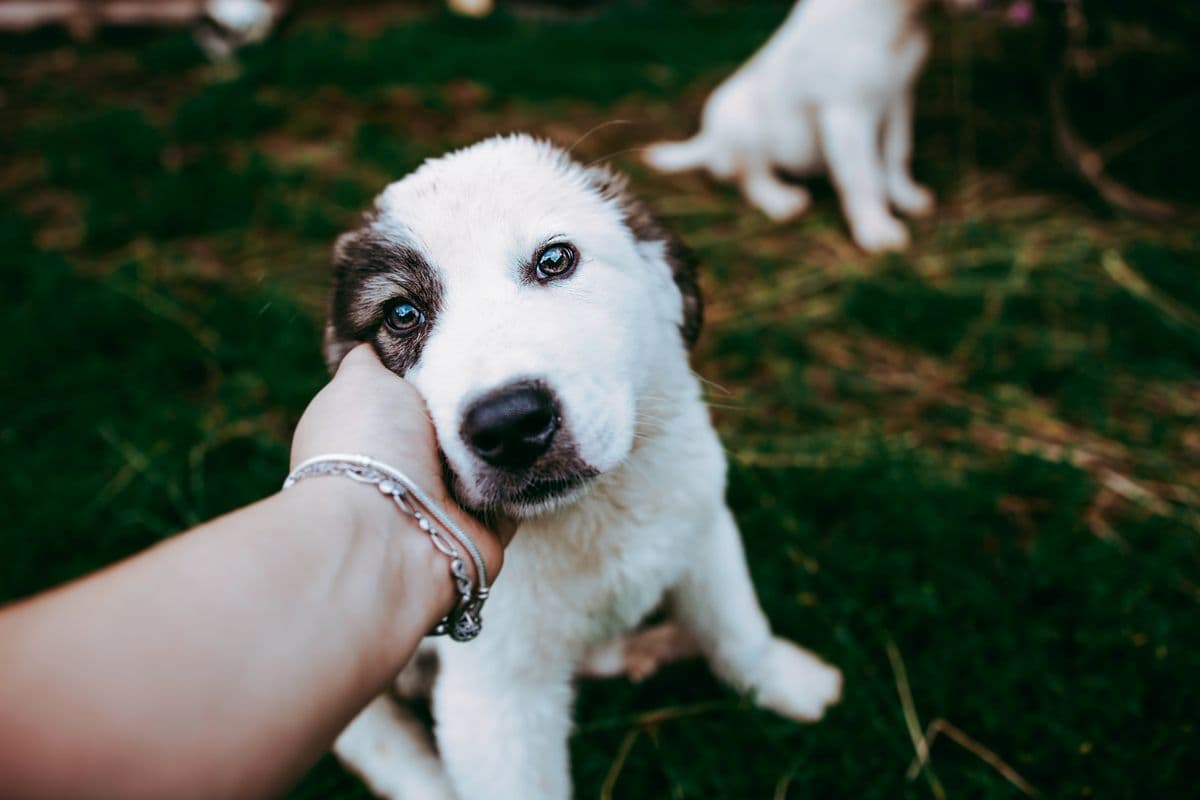
Cooperative care teaches a "start button" behavior (like resting their chin on your hand) signaling readiness to begin — and that stopping it means "not right now," which you honor by pausing; this isn't human-style consent, but it's a real, structured way to reduce fear and resistance.
What "Consent" Means Here — Accurately
Not a claim dogs understand consent the way people do. It's a specific, trainable signal: offering a behavior (commonly a chin rest) means "go ahead," and withdrawing it communicates "pause" — which you then actually honor.1 Consistently honoring the signal is what makes the system work.
The Core Technique: Start-Button Behaviors
- Teach a simple behavior first, unrelated to handling — commonly a chin rest, rewarded heavily and often at first (roughly 10–15 small, high-value treats per minute early on).1
- Once reliable, pair it with very brief, low-intensity handling, then release and reward.
- If your puppy lifts their chin away at any point, stop and reset.
- Gradually increase duration/intensity, always keyed to the puppy continuing to offer the start button.
Stationing
Teaching your puppy to go to and stay on a spot as part of the "ready" signal — closely related to Teaching Calm & Settle.
Why This Is Worth the Effort
Pets trained this way tend to become progressively more comfortable and less fearful or defensively resistant over time — the opposite of forcing handling through resistance.1
When Cooperative Care Isn't Enough on Its Own
For a puppy already significantly fearful or defensively resistant, this training takes real time and isn't a fast fix — a board-certified veterinary behaviorist is the appropriate referral, not something to attempt to solve entirely through home training.1
Getting Started Checklist
- Teach a start-button behavior with no handling involved yet
- Reward generously while it's new
- Only add brief handling once the start-button is reliable
- Actually stop when your puppy withdraws it, every time
- Increase gradually, keyed to continued participation
Want a plan built around your puppy?
Get a handling plan built around your puppy's age and comfort level.
Common Mistakes
- Teaching the signal, then ignoring it.
- Skipping to handling without building the signal first.
- Treating this as a fast fix for a significantly fearful puppy.
Safety and Behavior Red Flags
A puppy so fearful or defensively resistant handling isn't safely possible even with this approach — reasonable case for referral to a board-certified veterinary behaviorist.1