Puppy Exercise
Puppy Exercise: Getting the Amount Right
By Dog Plan Lab Editorial TeamUpdated August 30, 2026
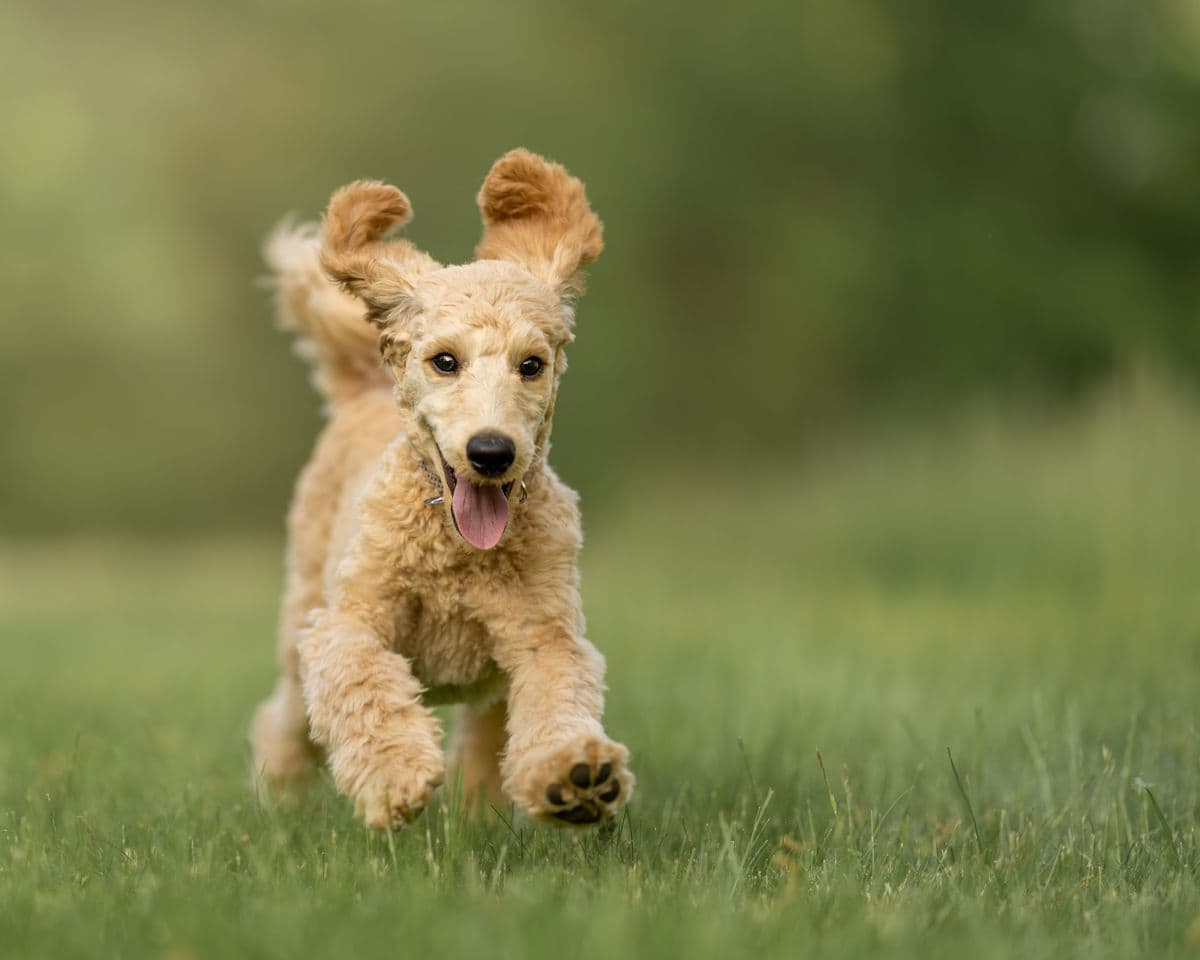
Quick answer
There's no precisely correct number of minutes — favor moderate, varied, mostly self-directed activity over forced, repetitive, high-impact exercise, and watch your individual puppy's response rather than a fixed formula.
Why This Page Won't Give You a Precise Number
A popular rule ("five minutes per month of age, twice daily") isn't traceable to a veterinary orthopedic source — see The Five-Minute Rule for the full review.
What's Actually Well-Supported
- Favor moderate, varied, self-directed activity over forced, repetitive, high-impact activity.
- Physical and mental activity are both real needs — see Exercise vs. Mental Stimulation.
- Watch your individual puppy, not a formula.
Where to Go Next
The Five-Minute Rule · Exercise by Age · Puppy Won't Exercise · How to Tire Out a Puppy
Quick Reference
| Favor | Use caution with |
|---|---|
| Moderate walks, varied terrain | Forced long-distance running |
| Free play, self-directed movement | Repeated high jumps onto/off hard surfaces |
| Sniffing and exploration | Excessive stair repetition, especially in larger breeds |
| Rest built in between activity | Back-to-back high-intensity sessions with no recovery |
Not sure how much exercise is right?
Get guidance built around your puppy's age and energy level.
Common Mistakes
- Treating a viral formula as medical fact.
- Assuming more exercise is always better.
- Ignoring individual signals.
Safety and Behavior Red Flags
Limping, reluctance, yelping during/after activity, or sudden movement changes.
Sources
- Synthesizes the evidence reviewed in full at The Five-Minute Rule